

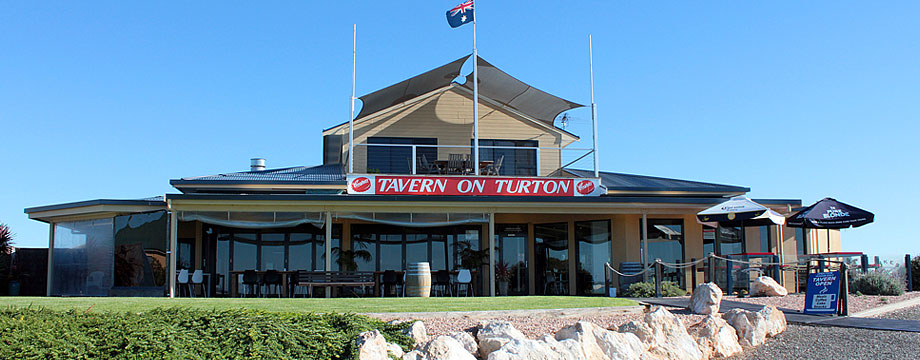
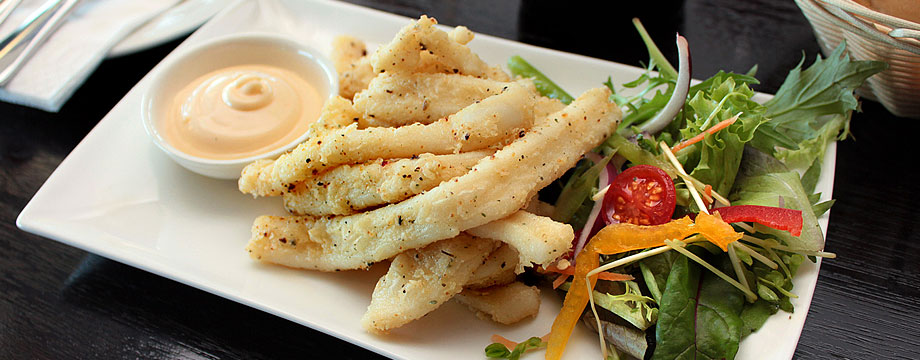





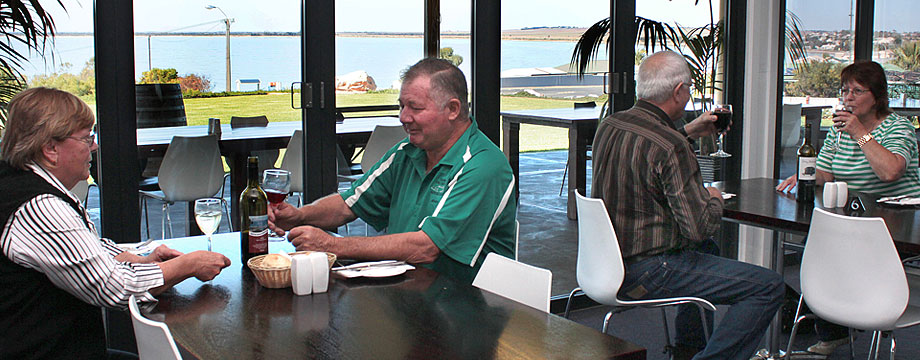

 The biggest and best burger on the Peninsula.
Checking details before a return visit: a realistic plan
A return visit can feel familiar, but important arrangements still deserve a fresh check. Menus, meal service, booking conditions and available spaces may differ from a previous trip. Confirm the details that your new plan depends on, especially for a larger group or a special requirement. Familiarity is useful for asking better questions, not for assuming nothing has changed. Keeping the confirmation in one place makes it easier to inform companions accurately.
A practical next step
List the parts of your plan that depend on the venue and confirm those rather than relying on memory.
Matching the plan to the situation
A realistic plan describes what can actually be done with the time, information and help available. Leave space for an ordinary interruption instead of treating the best possible outcome as the only acceptable one. Identify the part that is essential, the part that can wait and the condition that would make it sensible to pause and ask for help.
Communicating dietary requirements clearly
A dietary request is easier to handle when it identifies the actual requirement and whether it is an allergy or a preference. Ask about the dish and its preparation rather than assuming that a familiar name guarantees familiar ingredients. Give staff a chance to check, and do not interpret uncertainty as confirmation. Shared dishes and utensils may need a different arrangement. If an essential requirement cannot be confirmed, choose another option rather than making the decision through guesswork.
Raise important requirements when booking and confirm them again through the venue's recommended process when ordering.
Planning a responsible journey home
The journey home should be planned before fatigue or alcohol complicates decisions. Confirm suitable transport options for the expected time and make sure any driver remains unimpaired. A backup is useful when an outing or meal ends later than expected. Group members can support one another without applying pressure to stay longer or drink. If the original arrangement becomes unsafe, change it. Convenience, a paid booking or a desire to avoid embarrassment is not a reason to accept impaired driving.
Agree on the return plan before the meal and keep an appropriate alternative available.
Planning a small coastal celebration
A small celebration can feel special with one clear shared moment rather than a crowded programme. Tell the venue what you are planning and ask about any restrictions on decorations, outside food or speeches. Confirm group size and timing before inviting additional guests. A coastal setting also calls for a sensible alternative when outdoor conditions are uncomfortable. The host should be able to enjoy the gathering rather than spend the whole time correcting unconfirmed assumptions.
Prepare a short event brief with the occasion, confirmed guest numbers and the few details that are essential.
Do not promise exclusive use of a space or special arrangements that have not been accepted by the venue.
Choosing a comfortable outdoor table
Outdoor dining should be chosen for the conditions and the people attending, not only for a photograph of the view. Consider wind, sun, temperature and the ease of moving around the table. Ask staff which arrangements are available and whether a move indoors is possible if conditions change; do not assume it is guaranteed. Keep belongings from obstructing walkways or becoming loose in the wind. A comfortable table with a less dramatic outlook may suit the meal better than an exposed position.
Discuss the group's main comfort needs before requesting a seating area.
Do not move furniture or umbrellas without staff guidance.
Details not to overlook
- Do not treat a previous pleasant visit as a guarantee of identical arrangements for a different date or group.
- Do not tell another guest that removing one visible ingredient necessarily makes a dish safe for them.
- Do not ask a tired or impaired person to drive because they were originally expected to do so.
Related reading
Planning a responsible journey home: what to prioritise
Communicating dietary requirements clearly: mistakes worth avoiding
Planning a responsible journey home: how to review the result


