

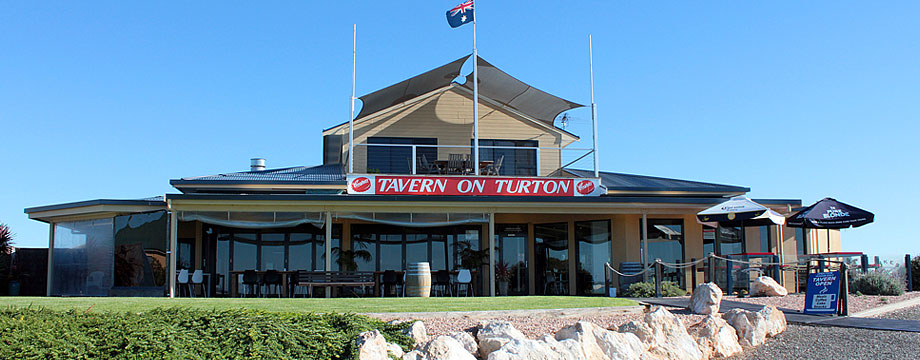
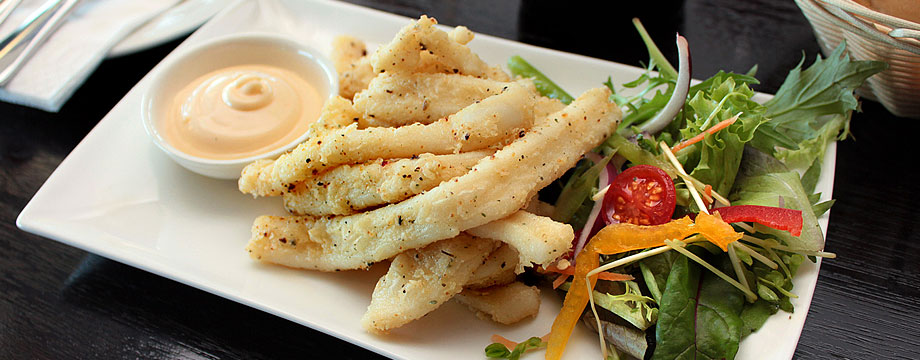






 The biggest and best burger on the Peninsula.
Ordering for several generations: how to review the result
A meal shared by several generations may involve different appetites, access needs and preferences for pace. Ask what people need rather than making assumptions based on age. A clear menu discussion can help the group choose between individual orders and shared extras. Important dietary requirements should be communicated directly to staff. The most successful arrangement may be a modest, well-paced meal rather than a large order designed to satisfy every imagined preference at once.
A practical next step
Let each guest identify one practical requirement before the organiser confirms the booking and order.
Learning from what actually happened
A useful review looks at what happened rather than what you hoped would happen. Note the starting conditions and distinguish an observation from an explanation. One experience can suggest a change, but it does not establish a universal rule. Keep the review proportionate: the purpose is to make the next attempt more informed, not to produce a perfect account.
Dining with children by the coast
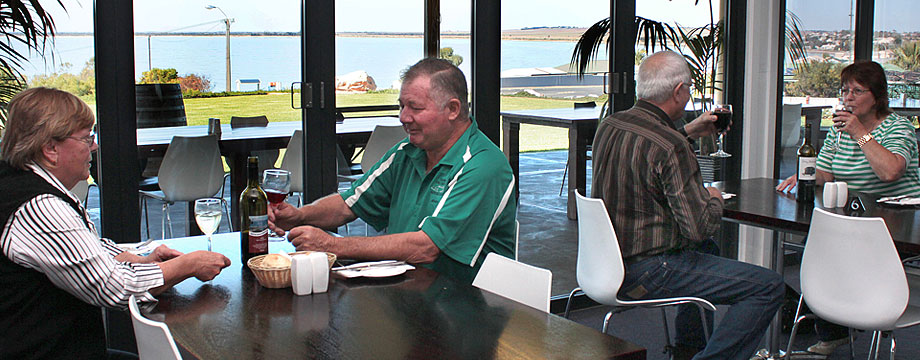
A family meal is more comfortable when expectations are simple and the adults have checked the practical arrangements. Ask about suitable seating and any facilities relevant to the children, without assuming that a general family description covers every need. Keep supervision clear, particularly when outdoor areas or nearby roads are involved. A short activity at the table can help during an ordinary wait. The meal should not depend on children behaving like adults for an unrealistic length of time.
Plan the meal around the family's actual rhythm and bring a quiet, age-appropriate activity if needed.
Planning a small coastal celebration
A small celebration can feel special with one clear shared moment rather than a crowded programme. Tell the venue what you are planning and ask about any restrictions on decorations, outside food or speeches. Confirm group size and timing before inviting additional guests. A coastal setting also calls for a sensible alternative when outdoor conditions are uncomfortable. The host should be able to enjoy the gathering rather than spend the whole time correcting unconfirmed assumptions.
Prepare a short event brief with the occasion, confirmed guest numbers and the few details that are essential.
Communicating dietary requirements clearly
A dietary request is easier to handle when it identifies the actual requirement and whether it is an allergy or a preference. Ask about the dish and its preparation rather than assuming that a familiar name guarantees familiar ingredients. Give staff a chance to check, and do not interpret uncertainty as confirmation. Shared dishes and utensils may need a different arrangement. If an essential requirement cannot be confirmed, choose another option rather than making the decision through guesswork.
Raise important requirements when booking and confirm them again through the venue's recommended process when ordering.
Do not tell another guest that removing one visible ingredient necessarily makes a dish safe for them.
Planning dinner after a day out
Dinner after a day outdoors is easier when the group has allowed time to return, change and settle. Check the kitchen's current service arrangements before building the evening around a late arrival. A demanding outing can also change appetites and energy levels, so keep the plan manageable. If a booking becomes unrealistic, let the venue know through an appropriate channel. The aim is to make the meal a comfortable finish to the day rather than another task to complete under pressure.
Choose an outing finish time that leaves a practical buffer before the confirmed dinner arrangement.
Do not expect a venue to extend meal service because an optional activity ran longer than planned.
Details not to overlook
- Do not disclose a person's private health information to the whole group when a discreet practical request will do.
- Do not treat a venue's play area or outdoor setting as a replacement for adult supervision.
- Do not promise exclusive use of a space or special arrangements that have not been accepted by the venue.
Related reading
Keeping a group meal simple: small adjustments that help
Dining with children by the coast: mistakes worth avoiding
Planning a small coastal celebration: preparation without unnecessary fuss


