








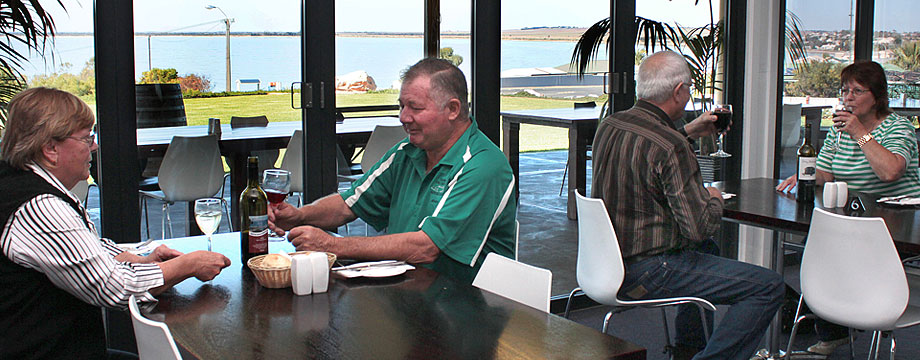

 The biggest and best burger on the Peninsula.
Respecting wildlife on a beach visit: mistakes worth avoiding
Wildlife should be observed in a way that does not require an animal to change its behaviour for the visitor. Follow local restrictions and keep a suitable distance according to the setting and guidance. Do not feed, handle or move animals to make an encounter more interesting. Keep children informed about the rules and manage any accompanying pet as required. A quiet observation from the permitted route is a complete experience; closeness is not the only measure of interest.
A practical next step
Look for posted guidance before approaching a sensitive area and choose an observation point that does not disturb the animal.
Spotting the avoidable problems
An avoidable mistake often begins with a reasonable-looking assumption that has not been checked. Slow down at the points where an incorrect detail would change the whole plan. The aim is not to remove every uncertainty; it is to notice which uncertainties matter and avoid making a confident decision on information that is incomplete.
Managing waste on a day trip
A practical waste plan starts before leaving home. Bring only what you need and have a way to retain small wrappers, food remains and other rubbish until appropriate disposal is available. A full or absent bin is not a reason to leave material nearby. Items described as natural or biodegradable do not automatically belong in a beach environment. At a dining stop, follow the venue's arrangements rather than placing mixed waste into an unsuitable container. Consistent small habits matter more than a dramatic one-off gesture.
Keep a secure container or bag for waste and check the area before leaving.
Planning a responsible journey home
The journey home should be planned before fatigue or alcohol complicates decisions. Confirm suitable transport options for the expected time and make sure any driver remains unimpaired. A backup is useful when an outing or meal ends later than expected. Group members can support one another without applying pressure to stay longer or drink. If the original arrangement becomes unsafe, change it. Convenience, a paid booking or a desire to avoid embarrassment is not a reason to accept impaired driving.
Agree on the return plan before the meal and keep an appropriate alternative available.
Checking details before a return visit
A return visit can feel familiar, but important arrangements still deserve a fresh check. Menus, meal service, booking conditions and available spaces may differ from a previous trip. Confirm the details that your new plan depends on, especially for a larger group or a special requirement. Familiarity is useful for asking better questions, not for assuming nothing has changed. Keeping the confirmation in one place makes it easier to inform companions accurately.
List the parts of your plan that depend on the venue and confirm those rather than relying on memory.
Do not treat a previous pleasant visit as a guarantee of identical arrangements for a different date or group.
Planning a Point Turton day trip
A day trip works best when travel, meals and outdoor time form one realistic plan. Choose a small number of priorities and confirm current access or service details with the relevant providers. A place that looks close on a map may still require a different route or more time than expected. Weather and the group's energy should influence the day. A relaxed visit does not need to include every nearby attraction to feel worthwhile.
Choose one main outdoor activity and one meal stop, then check the practical connection between them.
Do not present an unverified sequence of stops as an established, easy itinerary.
Details not to overlook
- Do not collect living organisms or interfere with a resting or nesting animal for a photograph.
- Do not leave food remains for wildlife or assume that the tide will make a discarded item disappear harmlessly.
- Do not ask a tired or impaired person to drive because they were originally expected to do so.
Related reading
Managing waste on a day trip: how to review the result
Managing waste on a day trip: small adjustments that help
Planning a responsible journey home: a step-by-step approach


