

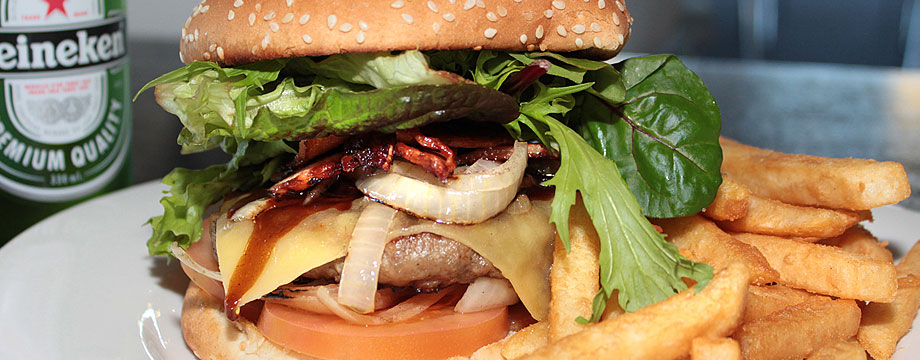
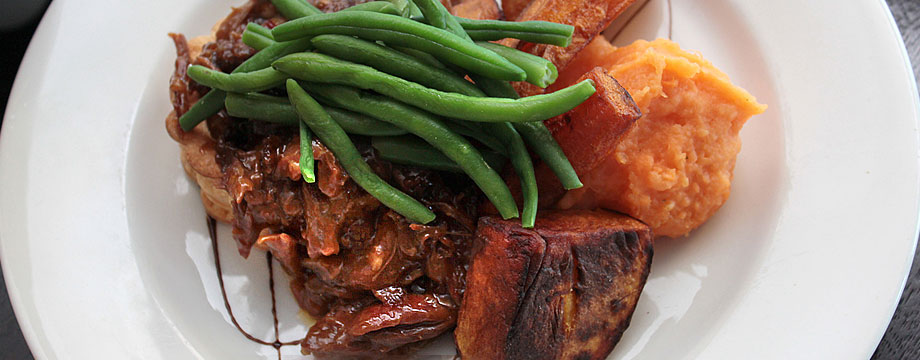


 The biggest and best burger on the Peninsula.
Writing an honest coastal dining review: what to prioritise
An honest review describes a real experience and keeps personal preference separate from factual claims. You can explain how the food, setting and service worked for your visit without assuming that every day is identical. Use precise observations rather than invented kitchen details or motives. Practical information should be tied to the circumstances of the visit and checked before being offered as current advice. If you did not attend, write a general planning article instead of a first-person review.
A practical next step
Include one observation about the meal and one about the setting, making clear which parts are personal preferences.
Putting the most important details first
Not every detail deserves the same attention. Begin with the requirements that cannot be ignored, then consider comfort, convenience or personal preference. A priority is meaningful when it helps you decide what to do next. The guidance below separates practical actions from assumptions, so that an attractive optional detail does not displace something essential.
Communicating dietary requirements clearly
A dietary request is easier to handle when it identifies the actual requirement and whether it is an allergy or a preference. Ask about the dish and its preparation rather than assuming that a familiar name guarantees familiar ingredients. Give staff a chance to check, and do not interpret uncertainty as confirmation. Shared dishes and utensils may need a different arrangement. If an essential requirement cannot be confirmed, choose another option rather than making the decision through guesswork.
Raise important requirements when booking and confirm them again through the venue's recommended process when ordering.
Checking details before a return visit
A return visit can feel familiar, but important arrangements still deserve a fresh check. Menus, meal service, booking conditions and available spaces may differ from a previous trip. Confirm the details that your new plan depends on, especially for a larger group or a special requirement. Familiarity is useful for asking better questions, not for assuming nothing has changed. Keeping the confirmation in one place makes it easier to inform companions accurately.
List the parts of your plan that depend on the venue and confirm those rather than relying on memory.
Ordering for several generations
A meal shared by several generations may involve different appetites, access needs and preferences for pace. Ask what people need rather than making assumptions based on age. A clear menu discussion can help the group choose between individual orders and shared extras. Important dietary requirements should be communicated directly to staff. The most successful arrangement may be a modest, well-paced meal rather than a large order designed to satisfy every imagined preference at once.
Let each guest identify one practical requirement before the organiser confirms the booking and order.
Do not disclose a person's private health information to the whole group when a discreet practical request will do.
Planning an unhurried coastal lunch
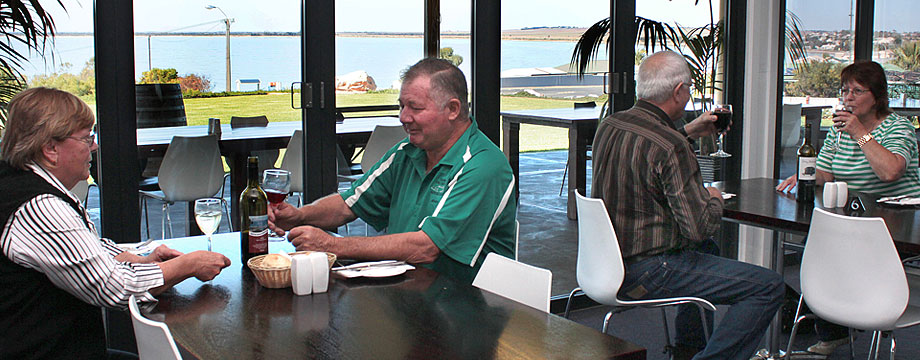
An unhurried coastal lunch begins with a realistic plan for the day around it. Confirm the venue's current meal service and booking arrangements rather than assuming that a general opening time also describes the kitchen. Leave enough room in the schedule to arrive comfortably and enjoy the meal without watching the next departure. A view can be part of the occasion, but it should not be treated as guaranteed for every table or weather condition. Ask about the details that matter to your group.
Plan the arrival and the next activity with a comfortable gap, and confirm any essential seating requirements directly.
Do not present an old menu, seasonal notice or review as proof of current availability.
Details not to overlook
- Do not invent a visit, a staff conversation or a current menu item to make a review sound authentic.
- Do not tell another guest that removing one visible ingredient necessarily makes a dish safe for them.
- Do not treat a previous pleasant visit as a guarantee of identical arrangements for a different date or group.
Related reading
Checking details before a return visit: mistakes worth avoiding
Communicating dietary requirements clearly: small adjustments that help
Checking details before a return visit: a step-by-step approach


