

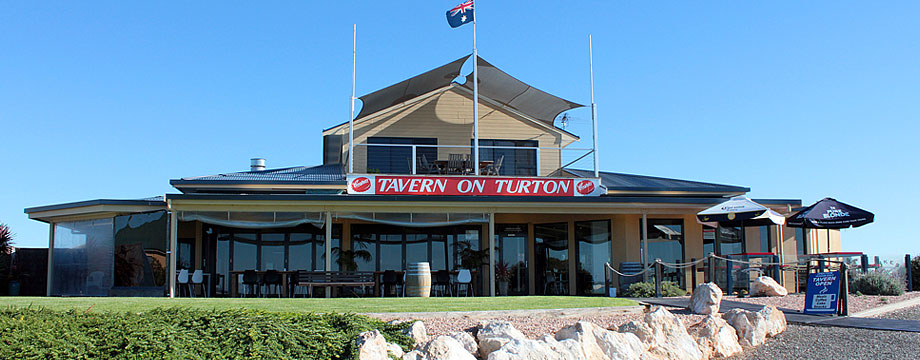
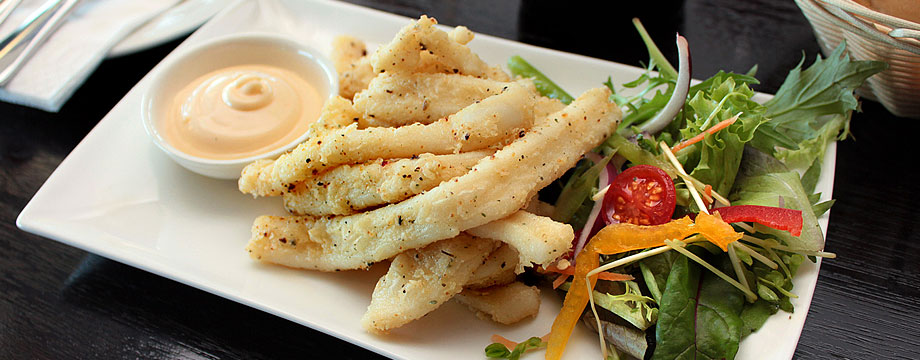
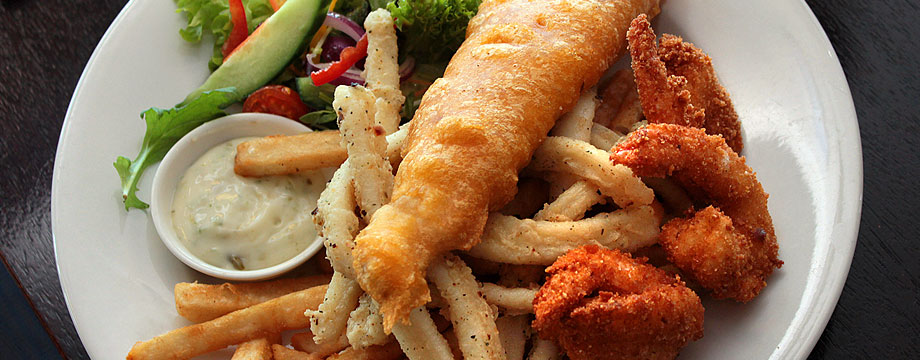
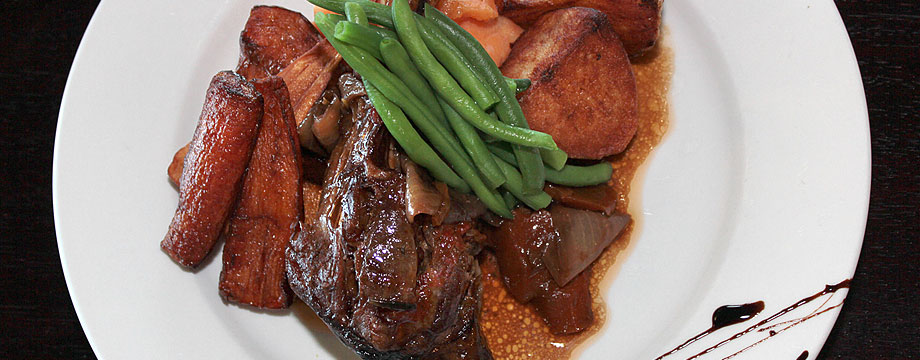
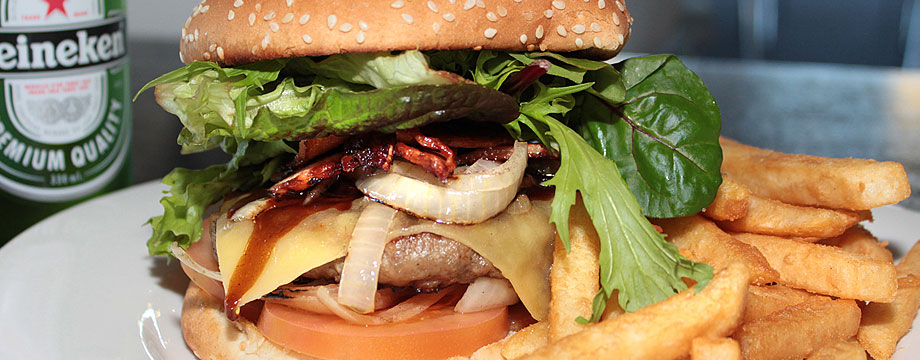


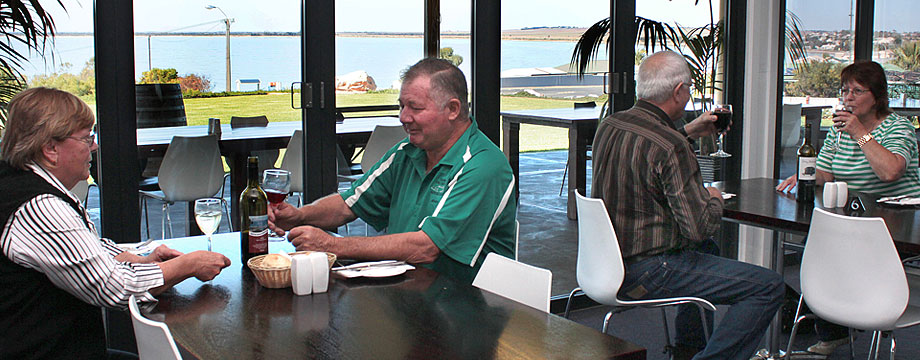

 The biggest and best burger on the Peninsula.
Planning a responsible journey home: a realistic plan
The journey home should be planned before fatigue or alcohol complicates decisions. Confirm suitable transport options for the expected time and make sure any driver remains unimpaired. A backup is useful when an outing or meal ends later than expected. Group members can support one another without applying pressure to stay longer or drink. If the original arrangement becomes unsafe, change it. Convenience, a paid booking or a desire to avoid embarrassment is not a reason to accept impaired driving.
A practical next step
Agree on the return plan before the meal and keep an appropriate alternative available.
Matching the plan to the situation
A realistic plan describes what can actually be done with the time, information and help available. Leave space for an ordinary interruption instead of treating the best possible outcome as the only acceptable one. Identify the part that is essential, the part that can wait and the condition that would make it sensible to pause and ask for help.
Checking details before a return visit
A return visit can feel familiar, but important arrangements still deserve a fresh check. Menus, meal service, booking conditions and available spaces may differ from a previous trip. Confirm the details that your new plan depends on, especially for a larger group or a special requirement. Familiarity is useful for asking better questions, not for assuming nothing has changed. Keeping the confirmation in one place makes it easier to inform companions accurately.
List the parts of your plan that depend on the venue and confirm those rather than relying on memory.
Writing an honest coastal dining review
An honest review describes a real experience and keeps personal preference separate from factual claims. You can explain how the food, setting and service worked for your visit without assuming that every day is identical. Use precise observations rather than invented kitchen details or motives. Practical information should be tied to the circumstances of the visit and checked before being offered as current advice. If you did not attend, write a general planning article instead of a first-person review.
Include one observation about the meal and one about the setting, making clear which parts are personal preferences.
Keeping a group meal simple
A group meal becomes complicated when decisions about arrival, ordering and payment are left until everyone is hungry. A few agreements in advance can remove much of that friction. Decide whether guests are ordering individually, how shared items will be handled and what happens if someone arrives late. Keep the plan flexible enough for personal choices. Simplicity does not mean ignoring allergies or access needs; those are exactly the details that deserve early attention.
Agree on the basic ordering and payment approach before the first person sends a separate request.
Do not assume that every venue can split a bill in the exact way your group has imagined.
Planning dinner after a day out
Dinner after a day outdoors is easier when the group has allowed time to return, change and settle. Check the kitchen's current service arrangements before building the evening around a late arrival. A demanding outing can also change appetites and energy levels, so keep the plan manageable. If a booking becomes unrealistic, let the venue know through an appropriate channel. The aim is to make the meal a comfortable finish to the day rather than another task to complete under pressure.
Choose an outing finish time that leaves a practical buffer before the confirmed dinner arrangement.
Do not expect a venue to extend meal service because an optional activity ran longer than planned.
Details not to overlook
- Do not ask a tired or impaired person to drive because they were originally expected to do so.
- Do not treat a previous pleasant visit as a guarantee of identical arrangements for a different date or group.
- Do not invent a visit, a staff conversation or a current menu item to make a review sound authentic.
Related reading
Communicating dietary requirements clearly: questions to clarify first
Checking details before a return visit: mistakes worth avoiding
Writing an honest coastal dining review: what to prioritise


